
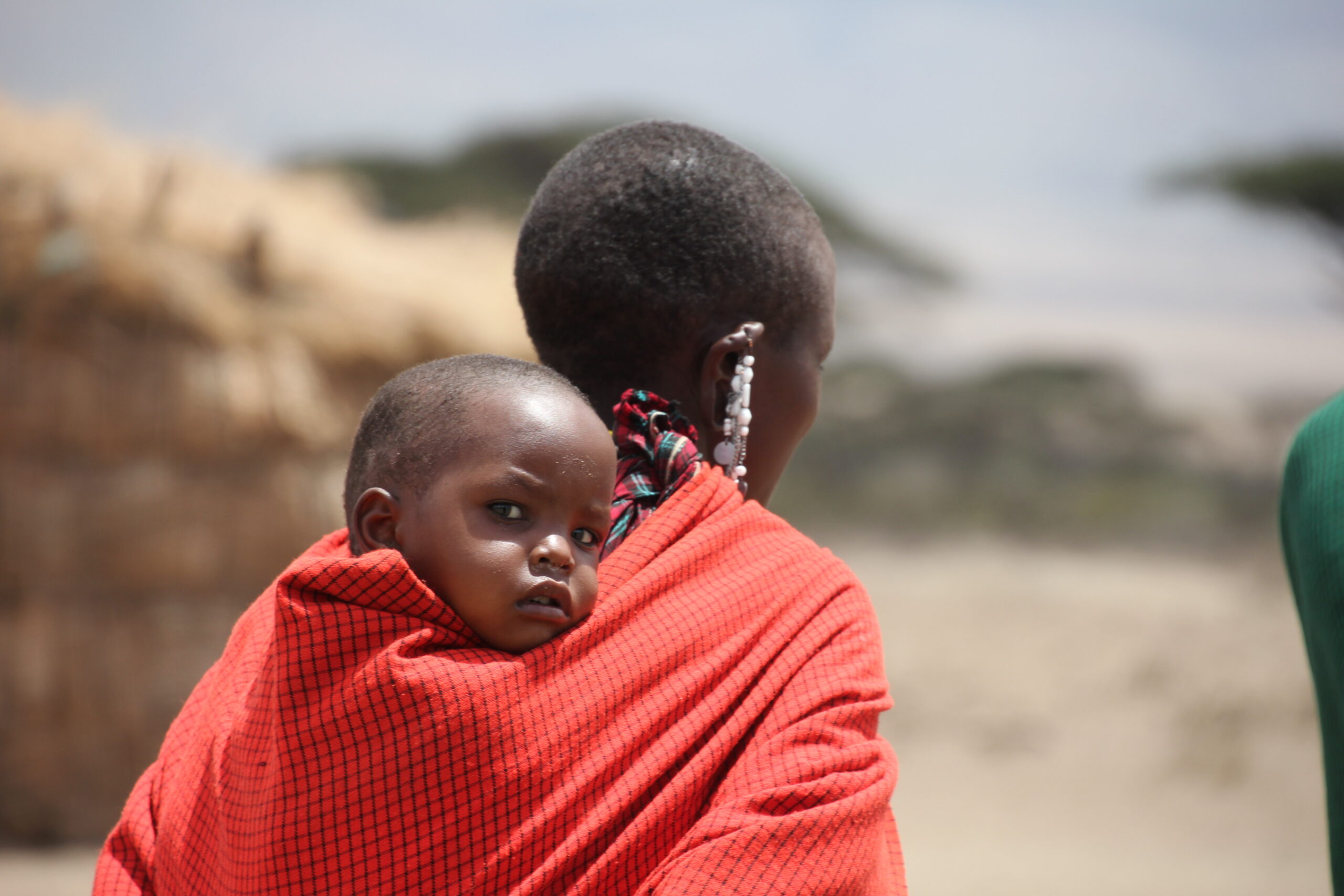
TakeMeBack’s documentaries do not glorify, but reveal. They are true stories, free from rhetoric, that showcase the genuine power of acts of solidarity: being present, listening, and connecting with others.
When it comes to solidarity, the greatest risk is that of rhetoric.
Acts of solidarity are often portrayed as something extraordinary, heroic, even moving. Yet those who truly experience solidarity —in the most remote villages, in schools without desks, in the hands of those who receive—know that its strength lies not in its exceptional nature, but in its simplicity.
It’s not a show. It’s a presence.
That is why TakeMeBack, alongside the missions of its Solidarity Couriers, has chosen to tell stories. To film. To craft a narrative that does not celebrate, but reveals. One that does not say, “Here’s what we’ve done,” but rather , “Look at what happens when we choose to be there.”
Our documentaries stem from the need to give visual form to something that would otherwise remain invisible: the quiet transformation that takes place on every mission. Showing solidarity isn’t just about delivering an item to someone in need. It means putting yourself out there, shifting your perspective, and crossing boundaries—both geographical and internal. Every Solidarity Courier sets out with a backpack full of useful items and returns with something that cannot be measured: a glance, an encounter, a different awareness of oneself and the world.
A film like *Safara*, shot in Tanzania, stems from this tension. It is not based on a script, but on a real-life experience. The images do not explain; they suggest. The faces do not ask for compassion, but for attention. The pace of the narrative mirrors that of the journey: slow, sincere, marked by moments of waiting, pauses, and silences that speak louder than many words.
In a world where communication tends to simplify, condense, and persuade in a matter of seconds, we choose to do the opposite. We choose to show. To offer the viewer a space for listening, reflection, and immersion. Because solidarity, to be fully understood, requires time. Context. Depth.
It is our way of restoring value to what today risks going unnoticed: a connection between people who recognize one another, even when they are far apart. A selfless gesture. A bond that forms without expectations and leaves a lasting impression.