
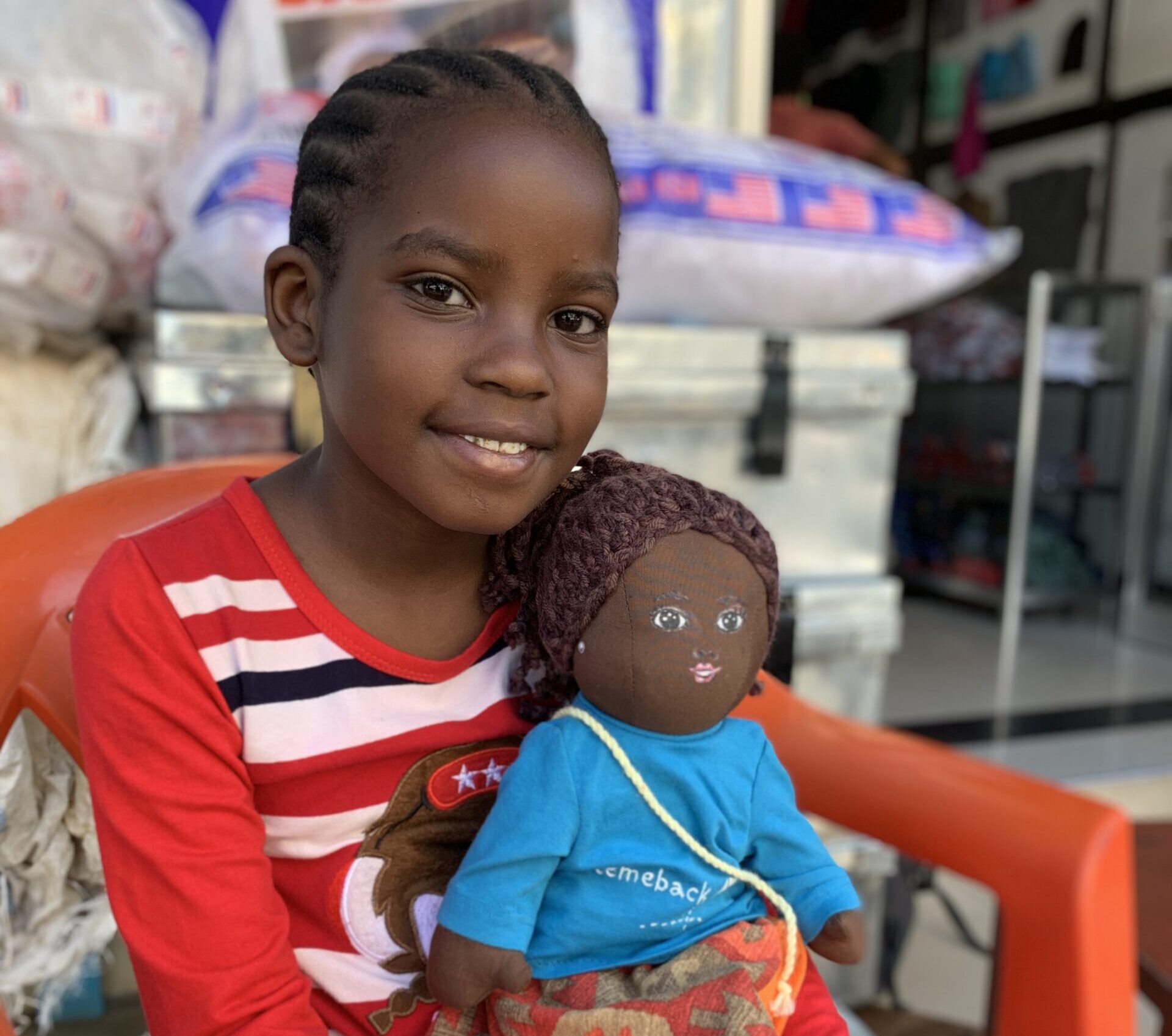
The power of solidarity, told against the backdrop of Tanzania’s red earth. Every gesture tells a story. Every image holds a promise.
There are images that need no explanation, for they already embody a profound, shared, universal meaning. Safara, filmed in Tanzania and produced by TakeMeBack, is a visual narrative constructed from fragments of reality that are imbued with meaning. Images that not only document, but evoke.
The film began as an idea to tell the story of a mission undertaken by TakeMeBack volunteers, but ultimately explores a theme that resonates with everyone: the need to feel part of something greater than oneself. The original soundtrack—which won an award at the Muses Film Awards —accompanies the scenes like a voice that doesn’t explain, but rather suggests, leaving room for the viewer’s own interpretation.
Safara is a symbolic narrative. The journey of the Solidarity Couriers becomes a form of writing. Or, to use the words of Roland Barthes (the French essayist and semiologist who explored how culture transforms reality into symbols), a modern myth. The author wrote that “myth is a word that is stolen and then returned, ” and here, the word solidarity is taken from rhetoric to be returned to real life.
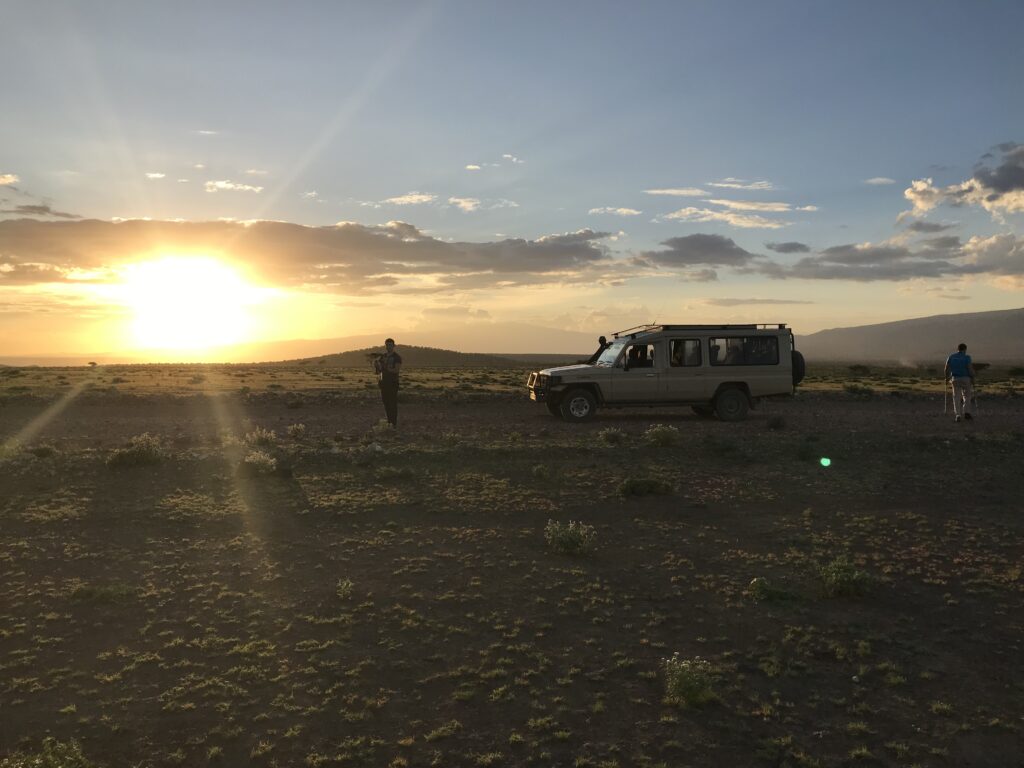
In Safara, every encounter is a form of mutual listening. There is the noise of the street, the slow rhythm of the days, the dust that rises and settles on backpacks, on dreams, on plans. In Safara, the journey is made up of small pauses, of fragments of everyday life that take on meaning.
It is precisely in the ordinary that the deepest meaning lies: here, solidarity is not the exception, but the possible norm. It is an invisible framework that holds together relationships, landscapes, hopes, and returns.
Safara is the absence of rhetoric. No one explains what solidarity is: it is demonstrated. And it is precisely in this simple gesture that a broader reflection takes shape. Barthes reminds us that any object can become a “myth” if imbued with meaning. Safara, then, is not a self-celebratory work: it is a cultural device that gives visible form to a shared idea. Not so much “doing good,” but feeling good together.
With the awards it received at the Muses Film Awards— “Best Original Soundtrack” and “Best First-Time Filmmaker” — Safara has found confirmation: telling authentic stories still holds value.
If there is a moral to Safara, it is this:
Solidarity is not limited to a single gesture. It is a language. It is a way of living in the world.